
We live in a time where radical individualism is a defining feature of American culture. This way of life prioritizes independence, self-expression, and personal rights over shared obligations, traditions, and community. Deeply rooted and reinforced by many factors, it affects nearly every area of life, including the church.
Some examples:
· A documented loneliness epidemic, with studies linking social disconnection to higher risks of depression, anxiety, suicide, heart disease, and premature death.
· Weaker families and communities, more people living alone, and fewer close friendships, especially among younger men.
· Reduced civic engagement and trust in institutions.
· Consumerism that treats relationships, identity, and spirituality as personal lifestyle choices.
· Political and cultural polarization as “my rights, my truth, my fulfillment” undermine shared public goods and obligations.
· Strained caregiving and intergenerational support.
Mission requires ministry as its means.
At the same time, we have largely forgotten what fueled the early church’s explosive growth by adopting cultural values in place of biblical ones. This consumer Christianity weakens true belonging and mature spiritual formation.
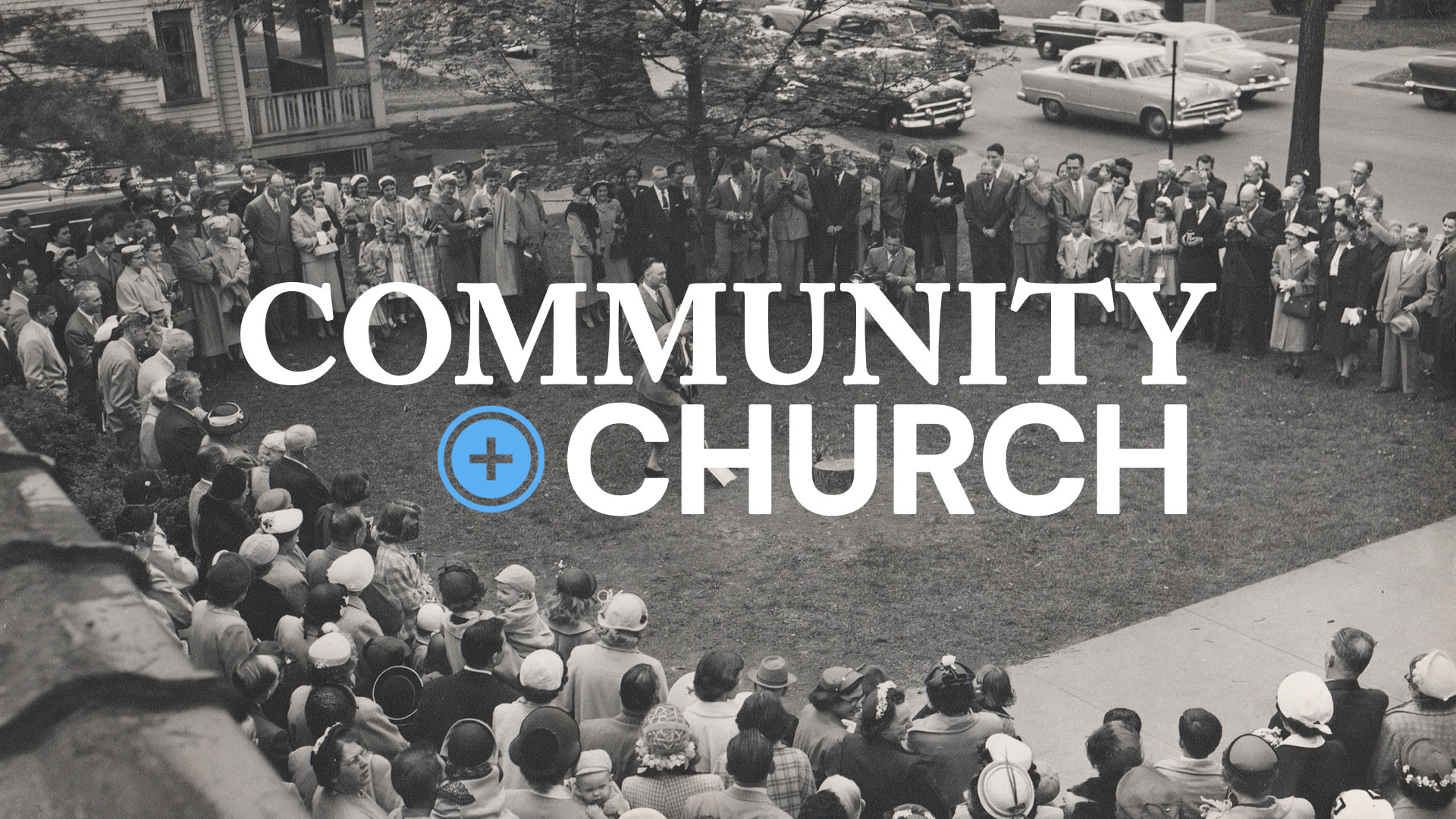
Churches focused solely on ministry to insiders rarely reach outsiders. Mission, however, requires ministry as its means. Together, they form a church that is both a committed family and a mobilizing, multiplying movement. These values will be the focus of our next sermon series, Community Church, beginning this Sunday and continuing through the month of November.
They devoted themselves to the apostles’ teaching and to fellowship, to the breaking of bread and to prayer. Everyone was filled with awe at the many wonders and signs performed by the apostles. All the believers were together and had everything in common. They sold property and possessions to give to anyone who had need. Every day they continued to meet together in the temple courts. They broke bread in their homes and ate together with glad and sincere hearts, praising God and enjoying the favor of all the people. And the Lord added to their number daily those who were being saved.
Acts 2.42-27
Here are some key questions we will explore in this series:
Do we understand what the Bible teaches about belonging to Christ’s body, the church?
How has radical individualism weakened our church commitment or shaped our involvement?
What would prioritizing the church family’s health and loyalty look like?
Who helps you become more like Jesus, and whom do you help?
What steps could you take toward an intentional disciple-making relationship within the church?
What do outsiders notice: our programs and services, or our deep, practical love for one another?
Do people change churches after the first conflict or inconvenience?
Where—in a neighborhood, workplace, network, or area of need—could you or your small group practice biblical community and get on mission together, today?
Strictly speaking, one ought to say that the church is always in a state of crisis and that its greatest shortcoming is that it’s only occasionally aware of it. And if the atmosphere of crisislessness still lingers on, this is simply the result of a dangerous delusion. Let us also know that to encounter crisis is to encounter the possibility of truly being the church.
–David Bosch
This series, focused on few key passages of scripture, will aim to recover a historic vision of the local church, a spiritual growth rooted in lasting relationships, shared life, and engagement in mission.
How to best engage the series:
We continue to encourage all small groups to use the sermon-aligned group guides throughout this series. With prayer prompts for our church and challenging practices that we hope will disciple you throughout the week, we trust they will support spiritual strength and unity. Find them on the Browncroft app at the bottom of the app home screen or at browncroft.org/sermons.
Groups and individuals will also be invited to serve our community this holiday season. Watch for outreach opportunities in the Faith in Action center of our lobby next month.
Pastor Rob


